Warehouse Layout Optimization for Productivity Gains
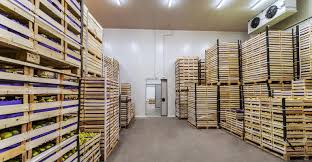
Warehouse Layout Optimization for Productivity Gains
Warehouse layout optimization is a critical component of modern supply chain management. By strategically designing and organizing the warehouse space, businesses can significantly enhance productivity, reduce operational costs, and improve overall efficiency. In this article, we will explore key strategies and visit for more insights and best practices for optimizing warehouse layouts to achieve substantial productivity gains.
- ABC Analysis and Slotting
- ABC Analysis: Classify products into A, B, and C categories based on factors like demand, sales volume, and turnover rate. This analysis helps determine where to place high-demand items for easy access.
- Slotting: Use the data from ABC analysis to slot products in the most appropriate storage locations. High-demand items should be placed in easily accessible, prime picking locations to minimize travel time for workers.
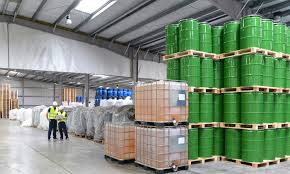
- Efficient Space Utilization
- Vertical Storage: Utilize vertical space effectively by installing tall racks or mezzanine levels. This maximizes storage capacity while keeping the floor area organized and accessible.
- Dynamic Slotting: Implement dynamic slotting that allows for frequent adjustments based on product velocity and seasonal demand fluctuations.
- Flow Design and Zoning
- Logical Flow: Organize the warehouse layout to follow a logical flow from receiving to storage, picking, packing, and shipping. This reduces backtracking and unnecessary movement.
- Zoning: Divide the warehouse into zones for specific functions, such as receiving, order picking, and packing. Assigning dedicated areas for each task streamlines operations and minimizes congestion.
- Pick Paths and Aisles
- Optimized Aisle Widths: Determine the appropriate aisle widths based on the type of equipment used, such as forklifts or pallet jacks. Narrower aisles can save space but require careful planning for efficient traffic flow.
- Pick Paths: Design efficient pick paths for order pickers to minimize walking or driving distances. Utilize software or routing algorithms to create optimized picking routes.
- Technology Integration
- Warehouse Management System (WMS): Implement a WMS to automate and optimize various warehouse tasks, including inventory tracking, order processing, and labor allocation.
- Barcode Scanning: Use barcode scanning technology to improve inventory accuracy and reduce errors during picking and replenishment.
- Safety and Ergonomics
- Safety Zones: Establish clearly marked safety zones and safety protocols to prevent accidents and ensure the well-being of warehouse staff.
- Ergonomic Design: Consider ergonomic factors when designing workstations and selecting equipment to reduce strain and minimize the risk of injuries among workers.
- Continuous Improvement
- Regular Audits: Conduct regular audits of the warehouse layout and operations to identify bottlenecks, inefficiencies, or areas for improvement.
- Feedback from Workers: Encourage input from warehouse staff, as they often have valuable insights into optimizing workflows and processes.
- Flexibility for Growth
- Scalability: Design the warehouse layout with scalability in mind to accommodate future growth and changes in product volume.
Conclusion
Warehouse layout optimization is a dynamic process that can yield substantial productivity gains when executed strategically. By focusing on efficient space utilization, logical flow design, technology integration, safety measures, and a commitment to continuous improvement, businesses can create a warehouse environment that maximizes efficiency, reduces operational costs, and supports overall business growth. The result is a lean and agile supply chain that is better equipped to meet customer demands in a competitive market.
Leave a Reply